
"Safe Homes for All" Leads to Less Affordable Housing
New costs and requirements under Tacoma's Measure 1 threaten the affordable housing our community needs.
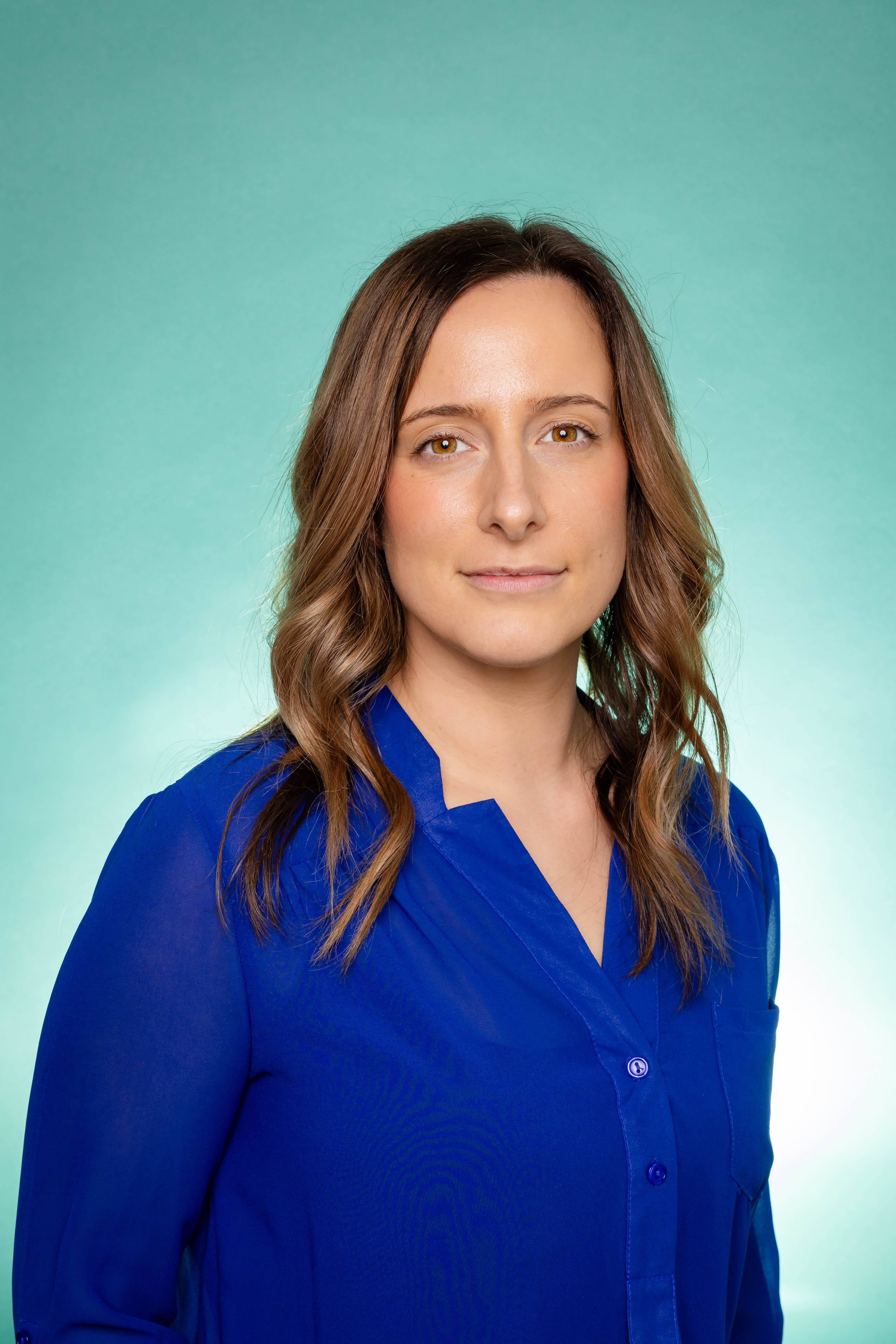
By Amanda DeShazo | Executive Director, Tacoma-Pierce County Affordable Housing Consortium
Last year, I did something I never imagined I would do. I stood before Tacoma City Council and asked that affordable housing providers be allowed to evict people during the school year and winter months.
A 2023 ballot initiative had made it extremely difficult for providers to remove tenants even in cases involving serious damage, including fires and flooding. Nonprofits were absorbing millions of dollars in costs while trying to keep their buildings safe for every tenant who lived there.
In my nine years of advocating for affordable housing and the people who need it most, I never expected that work would include asking for the ability to evict someone.
The passage of the last initiative taught me an important lesson:
Good intentions don’t always make good housing policy. Housing policy has to work for the people we’re trying to protect and the organizations working to keep them housed.
I worry Tacoma is about to make the same mistake again.
"Safe Homes for All", known as Measure 1, will be on Tacoma voters' ballots this November. Its goals sound reasonable: protect tenants, improve housing conditions, and hold bad landlords accountable. I support those goals.
I also know what happens when housing policy is written without understanding the people and organizations that have to make it work. Affordable housing providers were not meaningfully involved in developing this initiative. We weren't at the table to explain how these policies could affect the organizations providing some of Tacoma's most deeply affordable housing.
Our local nonprofits house people the private market often won't: community members coming directly from homelessness, living with disabilities, and struggling with behavioral health or substance use. They provide a home and, in many cases, the services and support that help someone stay there.
But sustaining that housing is getting increasingly difficult.
Affordable housing providers, by law, cannot raise rents when their costs increase. When insurance goes up, a building needs major repairs, or new fees are added, that money has to come from somewhere, most often the nonprofits’ bottom line.
SAFE Homes for All will add more costs and requirements that providers cannot absorb. It creates new administrative and compliance responsibilities, adds annual rental licensing fees per unit, and requires landlords to bargain rental leases with tenant unions.
Why should that matter to you?
Because the consequences won't stay inside an affordable housing organization's budget. They will show up in our community.
When affordable housing becomes more expensive and difficult to operate, we risk building fewer affordable homes and losing the ones that took so long to develop. People living in shelters or on the street will wait longer for housing. Providers will have fewer resources to help people with the greatest needs successfully move into housing and stay there.
Ultimately, that will mean more people experiencing homelessness for longer periods of time in Tacoma.
I’ve dedicated my career to bringing more affordable housing to this community. I've watched organizations spend years turning an empty piece of land into someone's home. I've watched people who had been homeless finally receive the keys to their own apartment. And I've watched the organizations providing those homes struggle with rising costs and limited resources.
Tacoma already has too few affordable homes and too many people waiting for one. We should not pass policies that risk making that problem worse.
We can and should protect tenants. We can and should hold bad landlords accountable. And we can demand safe, dignified housing without making it harder to provide the affordable housing our community desperately needs.
I don't want to stand before the City Council two years from now asking them to fix another broken housing policy after the damage has already been done.
We have the opportunity to learn from the last initiative. This time, I'm asking Tacoma voters not only to consider the intent of this policy but to think about the consequences before we vote.
ABOUT THE AUTHOR
Amanda DeShazo is the executive director of the Tacoma-Pierce County Affordable Housing Consortium, a nonprofit coalition of more than 80 organizations working to expand and preserve affordable housing across Pierce County.
LEARN MORE ABOUT MEASURE 1
Visit AHC's Measure 1 Resource Center for additional information about the initiative and its potential impacts on affordable housing.
Comments